Returning home after a stroke is a significant milestone, but it also marks the beginning of a new, often challenging, phase of recovery. The journey toward regaining independence requires a structured and supportive environment. This is where Home Health Agencies play a vital role, providing skilled clinical care directly in the comfort of your home. By coordinating with these medical professionals, families can create a robust support system that promotes healing, prevents complications, and empowers stroke survivors.
Understanding the landscape of post-stroke care is essential. While Home Health Agencies deliver medical services prescribed by a doctor, non-medical home care providers offer crucial assistance with daily living. Home health agencies also provide care for individuals recovering from illness or disease, not just stroke, ensuring comprehensive support for a range of health conditions. Together, they form a powerful team dedicated to your loved one’s well-being. This guide will explore how these services work together to facilitate effective recovery
The Critical Role of Home Health Agencies After a Stroke
When a physician determines that a patient requires skilled care at home after being discharged from the hospital—often following emergency treatment—they will order home health aide services. Physicians play a key role in coordinating the transition from hospitals or other facilities to home health care, ensuring that patients continue to recover with appropriate support. When your loved one is discharged, the hospital case manager or social worker will typically help arrange services with Medicare-certified home health agencies. These agencies are staffed with licensed medical professionals who provide a range of clinical services designed to continue the recovery process outside of a hospital setting.
Their involvement is fundamental for several reasons:
- Clinical Oversight: They provide access to professional medical monitoring to manage health conditions and prevent complications.
- Therapeutic Services: They deliver prescribed physical, occupational, and speech therapy sessions, as well as rehabilitation services, to help restore function.
- Continuity of Care: They ensure the physician’s care plan is followed precisely, creating a seamless transition from hospital to home.
While skilled nursing facilities, rehabilitation facilities, nursing facilities, and hospitals all play important roles in the continuum of stroke care, home health agencies offer an alternative to facility-based care. The goal of these skilled services is to stabilize the patient’s condition and help them achieve a specific set of medical outcomes achieving full recovery.
How Home Health Agencies Drive Recovery
The services provided by home health agencies are diverse and tailored to the unique needs of each stroke survivor. A registered nurse (RN) or therapist will conduct an initial assessment to create a personalized plan of care, which often includes:
- Skilled Nursing Care: Nurses manage complex medical needs, such as wound care, injections, IV therapy, and monitoring vital signs. They also educate patients and families on managing chronic conditions related to the stroke, like high blood pressure or diabetes.
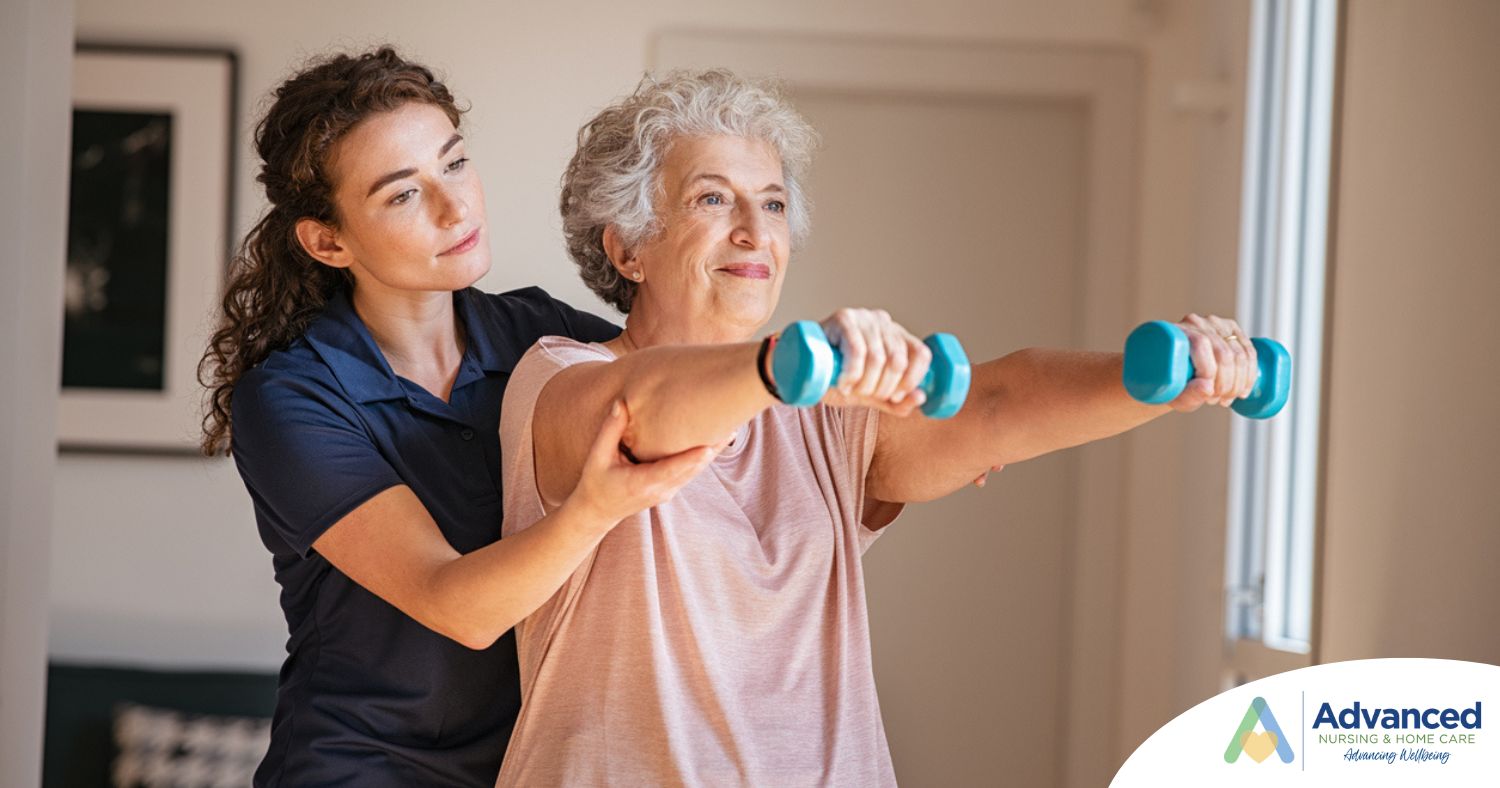
- Physical Therapy (PT): Physical therapists focus on restoring mobility, strength, balance, and coordination. They use targeted exercises to help survivors relearn how to walk, stand, and move safely within their environment.
- Occupational Therapy (OT): Occupational therapists help individuals regain the skills needed for daily living—what are known as Activities of Daily Living (ADLs). This can include anything from dressing and bathing to cooking and managing household tasks.
- Speech-Language Pathology (SLP): Speech therapists address communication challenges (aphasia) and swallowing difficulties (dysphagia), which are common after a stroke. Therapy can improve the ability to speak, understand language, and eat safely.
These clinical interventions are essential for rebuilding the physical and cognitive functions impacted by a stroke.
Bridging the Gap: The Importance of Non-Medical Home Care Support
While home health agencies provide the necessary medical care, their services are often intermittent—a therapist may visit a few times a week for an hour at a time. Recovering in one’s own home offers comfort, safety, and the opportunity for greater independence, especially when home rehabilitation is part of the care plan. Stroke rehabilitation in patients’ own homes can support a smoother transition from hospital to home, promoting long-term independence and cost-effective care.
Professional caregivers in Rockville offer non-clinical assistance that complements the work of nurses and therapists, ensuring the patient is safe, comfortable, and supported around the clock. In many cases this includes assistance with medical supplies and home modifications, such as installing grab bars, to improve safety and aid recovery in the home environment. By handling the non-medical tasks, caregivers allow the clinical team to focus purely on their therapeutic goals.
How Home Care and Home Health Agencies Work Together
Collaboration is the cornerstone of effective post-stroke care. A non-medical home care agency works in tandem with skilled professionals from home health agencies and other healthcare providers.
Here’s how that partnership functions:
- Reinforcing Therapy Plans: A caregiver can assist the client with practicing the exercises assigned by their physical or occupational therapist. This daily reinforcement helps accelerate progress and encourages regular physical activity.
- Supporting Medication Management: While caregivers cannot administer medicine, they can provide reminders to ensure doses are taken on time, as prescribed by the nurse or doctor.
- Monitoring and Reporting: A professional caregiver is an extra set of eyes and ears in the home. They can observe changes in condition and report these concerns to the family and healthcare providers. This vigilance helps catch potential problems before they become emergencies.
- Creating a Safe Home Environment: A caregiver can help maintain a safe and accessible living space. This includes removing fall hazards, organizing rooms for easy navigation, and assisting with mobility to prevent accidents.
Advanced Nursing and Home Care can help families in the Rockville area coordinate this vital non-medical support.
Practical Ways Home Care Support Enhances Stroke Recovery
Integrating non-medical home care agencies into a post-stroke plan provides tangible benefits that go beyond basic safety. By enhancing the quality of life and recovery outcomes for stroke patients, home care support directly contributes to better outcomes, greater independence, and reduced stress.
Personalization and Consistency
Every stroke is different, and so is every recovery journey. Professional caregivers provide personalized, one-on-one attention that adapts to the client’s changing needs. They offer consistency in daily routines, which is comforting and stabilizing for someone relearning basic skills. This steady presence fosters a positive emotional environment for healing.
Nutrition and Hydration Support
Proper nutrition is critical for brain and body recovery. Swallowing difficulties (dysphagia) can make eating and drinking challenging and even dangerous. A caregiver can prepare meals that adhere to physician recommendations and ensure the client stays properly hydrated.
Emotional and Social Companionship
The frustration of physical limitations combined with changes in cognitive function can lead to depression and anxiety, according to the American Stroke Association. A caregiver provides more than just physical assistance; they offer companionship, conversation, and encouragement, motivating the survivor to stay engaged in their recovery.
Reducing Hospital Readmissions
A primary goal of post-discharge care is to prevent a return to the hospital. According to the National Institutes of Health (NIH), a significant number of stroke patients are readmitted within a short period. Coordinated care between home health agencies and home care providers and caregivers are a powerful strategy for reducing this risk.
Support for Family Caregivers
The responsibility of caring for a stroke survivor can be overwhelming for families. Juggling personal responsibilities with the demands of caregiving can lead to burnout. Non-medical home care offers essential respite, giving family members time to rest, work, and tend to their own needs, knowing their loved one is in capable and compassionate hands.
Finding the Right Support in Rockville
As you coordinate this skilled care, it is also the perfect time to explore non-medical home care services. Look for an agency that will work with you to develop a customized care plan that aligns with the goals set by the doctors, nurses, and therapists.
For families in Rockville and neighboring communities like Bethesda, Silver Spring, Gaithersburg, Glen Echo, Laurel, Brentwood, and the surrounding areas, creating a strong network of support is the most effective way to promote a successful recovery. To understand how our services can complement the work of a home health team, please visit our services page. We are here to help you navigate this journey and help you find needed services near Rockville, including: Personal and Companion Care, Skilled Nursing Care, Nurse Staffing, Hospital Stay & Exit Support, Memory Care, and Veteran Care.
By leveraging the clinical expertise of home health services and the dedicated assistance of a professional caregiver, you can provide your loved one with the comprehensive care they need to regain independence and thrive!
Disclaimer: Advanced Nursing and Home Care does not provide home health care services.