Chronic Condition Care at Home in Montgomery County, MD

Living with a chronic condition rarely feels like one big event. It is the day-to-day of it that wears on a family.

It is keeping track of which medications are taken when. Planning meals around a treatment routine. Noticing that walking to the bathroom takes more effort than it did last month. Wondering whether a bad day is simply a bad day — or a change the doctor needs to know about.

COPD, diabetes, heart failure, kidney disease, arthritis, and other ongoing conditions affect people differently. But they often create the same challenge at home: a routine that once felt manageable gradually requires more time, attention, and clinical judgment than one person or family can safely provide alone. Nationally, an estimated 9 in 10 older adults live with at least one chronic condition, and many live with more than one, according to the Centers for Disease Control and Prevention — so if this feels like a lot to be managing, it’s because, for most families in this position, it genuinely is.

Our Skilled Nursing Care page explains the clinical services our nurses can provide. This page is about understanding what you’re seeing at home first — and figuring out what kind of support may make daily life safer and more manageable.

This page provides general information and is not a substitute for medical advice. Follow the care plan provided by your loved one’s physician and contact the appropriate medical provider with questions about symptoms, medications, blood glucose, breathing, swelling, wounds, or other changes. Call 911 in an emergency.


Nurse helping senior woman take medication
Nurse assisting senior with nebulizer treatment
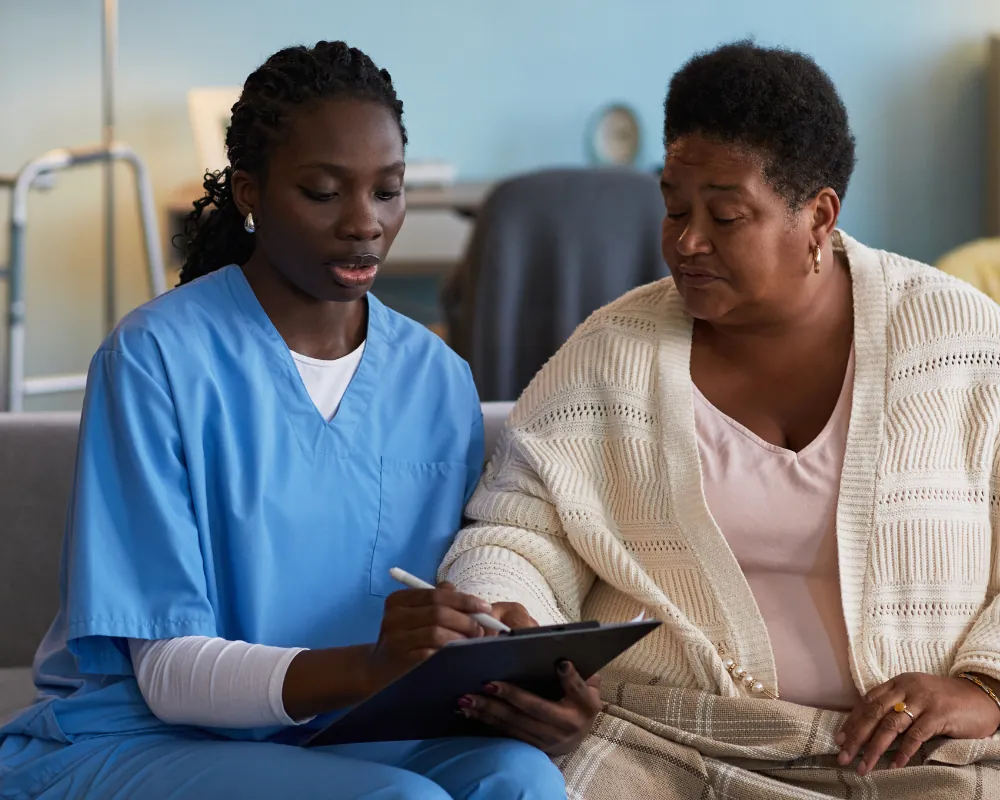
Nurse reviewing care plan with patient
Nurse helping senior woman take medication
Nurse assisting senior with nebulizer treatment
Nurse reviewing care plan with patient

Chronic
Condition
Care at
Home in
Montgomery
County, MD

Living with a chronic condition rarely feels like one big event. It is the day-to-day of it that wears on a family.

It is keeping track of which medications are taken when. Planning meals around a treatment routine. Noticing that walking to the bathroom takes more effort than it did last month. Wondering whether a bad day is simply a bad day — or a change the doctor needs to know about.

COPD, diabetes, heart failure, kidney disease, arthritis, and other ongoing conditions affect people differently. But they often create the same challenge at home: a routine that once felt manageable gradually requires more time, attention, and clinical judgment than one person or family can safely provide alone. Nationally, an estimated 9 in 10 older adults live with at least one chronic condition, and many live with more than one, according to the Centers for Disease Control and Prevention — so if this feels like a lot to be managing, it’s because, for most families in this position, it genuinely is.

Our Skilled Nursing Care page explains the clinical services our nurses can provide. This page is about understanding what you’re seeing at home first — and figuring out what kind of support may make daily life safer and more manageable.

This page provides general information and is not a substitute for medical advice. Follow the care plan provided by your loved one’s physician and contact the appropriate medical provider with questions about symptoms, medications, blood glucose, breathing, swelling, wounds, or other changes. Call 911 in an emergency.
Common Reasons Families
Call Us

A condition can be described as “stable” while still requiring a great deal of work to keep it that way.

Families may be coordinating medications, meals, appointments, movement, personal care, and symptom tracking every day. As the condition changes — or as the family caregiver becomes tired — the routine may begin to feel less reliable.

It may be time to reassess the support at home when:

  • Medications, doses, or timing have become difficult to keep straight
  • Medical appointments or follow-up instructions are being missed
  • Your loved one is having more difficulty bathing, dressing, eating, or moving safely
  • Breathing problems, fatigue, pain, swelling, dizziness, or weakness are affecting more of the day
  • The same concern is leading to repeated calls, urgent care visits, or hospital trips
  • Your loved one is no longer following the established care routine consistently
  • A family caregiver is trying to monitor everything alone
  • You are frequently wondering whether a change is serious enough to call the doctor
  • The person is spending long periods alone despite needing supervision or assistance
Nurse checking senior woman's blood pressure
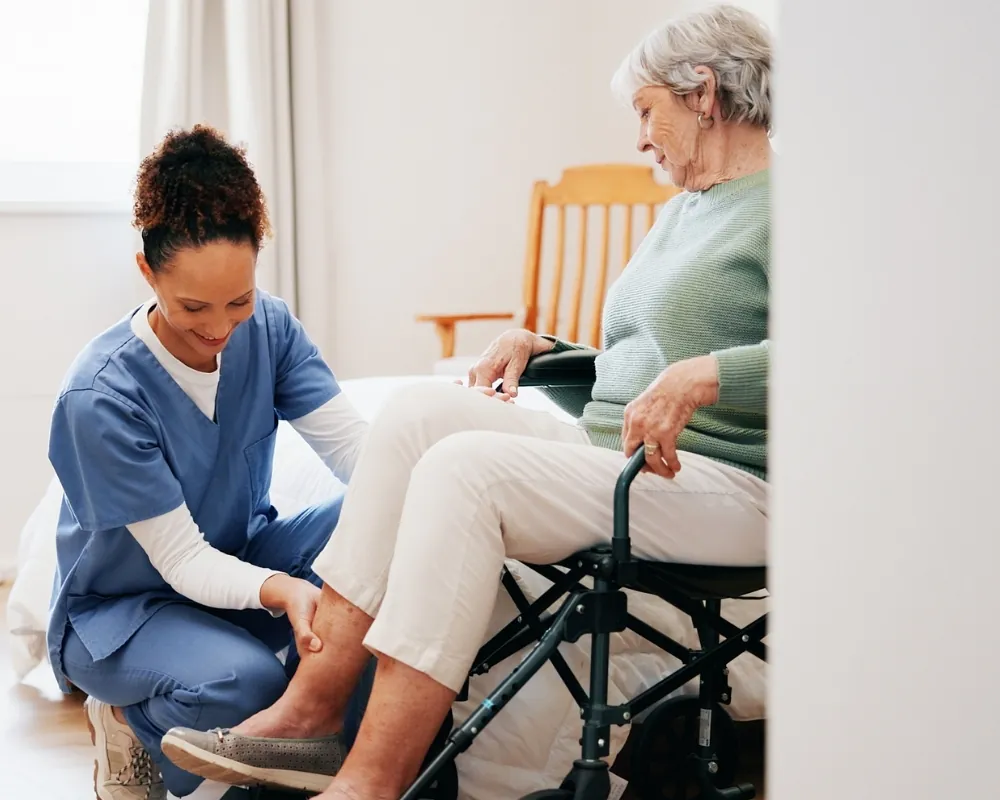
Caregiver helping senior woman in wheelchair
Caregiver helping senior woman with walker

One sign by itself does not necessarily mean that a crisis is developing. But when the routine is becoming harder to maintain, changes are happening more often, or the family no longer feels confident managing the situation, it is worth talking with the medical team and reassessing what help is needed at home.

Common Reasons Families
Call Us

A condition can be described as “stable” while still requiring a great deal of work to keep it that way.

Families may be coordinating medications, meals, appointments, movement, personal care, and symptom tracking every day. As the condition changes — or as the family caregiver becomes tired — the routine may begin to feel less reliable.

It may be time to reassess the support at home when:

  • Medications, doses, or timing have become difficult to keep straight
  • Medical appointments or follow-up instructions are being missed
  • Your loved one is having more difficulty bathing, dressing, eating, or moving safely
  • Breathing problems, fatigue, pain, swelling, dizziness, or weakness are affecting more of the day
  • The same concern is leading to repeated calls, urgent care visits, or hospital trips
  • Your loved one is no longer following the established care routine consistently
  • A family caregiver is trying to monitor everything alone
  • You are frequently wondering whether a change is serious enough to call the doctor
  • The person is spending long periods alone despite needing supervision or assistance

One sign by itself does not necessarily mean that a crisis is developing. But when the routine is becoming harder to maintain, changes are happening more often, or the family no longer feels confident managing the situation, it is worth talking with the medical team and reassessing what help is needed at home.

Nurse checking senior woman's blood pressure
Caregiver helping senior woman in wheelchair
Caregiver helping senior woman with walker

How Care Needs Can Differ by Condition

Many chronic conditions require ongoing management rather than a short period of treatment. But the daily challenges are not the same for every diagnosis — or for every person with the same diagnosis.

The physician’s care plan should always guide medical treatment. Support at home can help a person follow that plan more consistently, manage daily activities, and communicate changes to the appropriate provider.

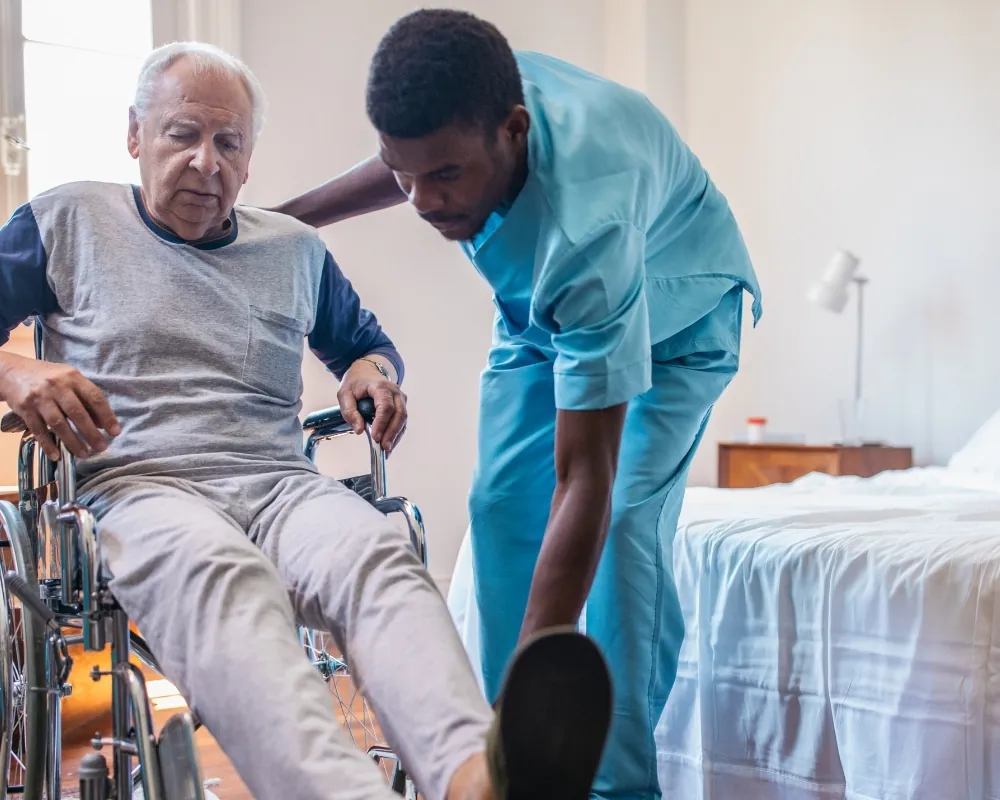
Caregiver helping senior man in wheelchair in bedroom
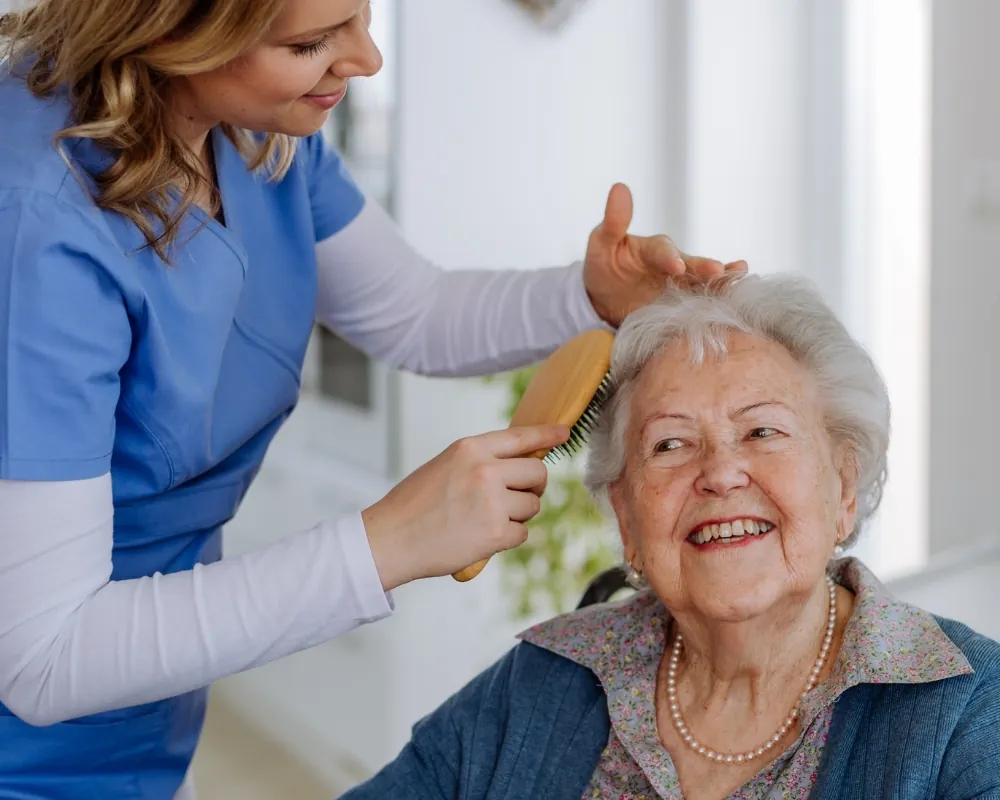
Caregiver brushing senior woman's hair

For someone living with COPD, in-home support usually centers on pacing daily activities, keeping the inhaler routine on track, and knowing which changes to flag — so that a hard morning doesn’t quietly turn into a hospital visit.

COPD can make ordinary activities take more time and energy. Bathing, dressing, preparing food, walking across the house, or keeping up with household tasks may become exhausting.

Symptoms can also vary from one day to another. A COPD flare-up may involve increased difficulty breathing, more coughing, chest tightness, fever, or changes in mucus, according to the National Heart, Lung, and Blood Institute. The physician should tell the client and family which changes to report and what steps to follow.

Depending on the care plan, support at home may include:

  • Help with bathing, dressing, grooming, and meal preparation
  • Assistance pacing activities and taking rest breaks
  • Support moving safely through the home
  • Medication or inhaler reminders within the caregiver’s permitted role
  • Help following an established daily routine
  • Observation and reporting of changes identified in the care plan
  • Skilled nursing when clinical monitoring, medication administration, or another nursing task is required
  • Communication with family members and healthcare providers as authorized

A care provider or nurse does not replace the treating provider. The goal is to make the established plan easier to carry out, and to make sure that a meaningful change doesn’t go unnoticed on a day nobody had the bandwidth to catch it.

For someone managing diabetes, in-home support usually means keeping meals, medication, and monitoring on the same predictable schedule the treatment plan depends on — especially when that consistency has gotten harder to maintain alone.

Diabetes management may involve blood glucose monitoring, medications or insulin, meals, hydration, activity, foot care, and follow-up appointments.

When several parts of the routine must happen at specific times, even a small disruption can make the day harder to manage. The challenge may be especially significant for someone who has vision problems, limited mobility, memory changes, hand weakness, or difficulty preparing regular meals.

Signs of low or high blood glucose can vary from person to person. Low blood glucose may cause symptoms such as shakiness, sweating, dizziness, hunger, confusion, or a fast heartbeat, while high blood glucose may be associated with increased thirst and frequent urination, according to the American Diabetes Association. The person’s physician should establish the appropriate monitoring ranges and instructions for responding to changes.

Depending on the care plan, support at home may include:

  • Meal preparation that follows the person’s established dietary plan
  • Medication reminders
  • Help maintaining a consistent eating and activity routine
  • Assistance getting to medical appointments
  • Personal care and mobility support
  • Observation and reporting of changes identified by the physician
  • Skilled nursing for insulin administration, injectable medications, clinical monitoring, or other ordered nursing tasks
  • Help organizing questions and information for the medical team

Clinical decisions about glucose targets, insulin doses, medication changes, or treatment belong with the prescribing provider.

For someone living with heart failure, in-home support usually focuses on conserving energy throughout the day, keeping a close eye on the small signs—weight, breathing, swelling—that a physician has asked the family to track, and catching a change early rather than late.

Heart failure can affect energy, breathing, mobility, appetite, sleep, and the ability to manage daily tasks.

Shortness of breath, fatigue, coughing, fluid buildup, and difficulty completing ordinary activities are among the changes that may occur with heart failure, according to the American Heart Association. Families should follow the physician’s instructions about what to monitor and which changes require a call.

Depending on the established care plan, support at home may include:

  • Help with bathing, dressing, meals, and household routines
  • Assistance conserving energy during daily activities
  • Mobility and fall-prevention support
  • Medication reminders within the caregiver’s role
  • Support following physician-directed routines involving meals, fluids, activity, or weight tracking
  • Observation and reporting of changes identified in the care plan
  • Skilled nursing when clinical assessment, medication administration, or other nursing care is needed
  • Communication with family and the medical team as authorized

Changes such as new or worsening shortness of breath, swelling, fatigue, dizziness, confusion, or difficulty sleeping because of breathing should be handled according to the physician’s instructions. Emergency symptoms require immediate medical attention.

Two people with the same diagnosis can need very different things at home — which is exactly why the plan should start with the person, not the paperwork.

Chronic kidney disease, arthritis, hypertension, neurological conditions, and other long-term illnesses can also make daily life more complicated.

The diagnosis matters, but so does the way it affects the person at home.

One person may need help following a medication and appointment schedule. Another may be medically stable but unable to bathe, prepare meals, or move safely because of pain or fatigue. Someone living with several chronic conditions may have multiple care plans, providers, and prescriptions to coordinate at once.

Support should therefore be based on the person’s actual needs — not simply the name of the condition.

An in-home assessment can help identify:

  • Which daily activities have become difficult
  • What the family is currently managing
  • Which instructions or routines are being missed
  • Whether a clinical task is involved
  • What happens when the person is alone
  • Whether personal care, skilled nursing, or both may be appropriate

How Care Needs Can Differ by Condition

Many chronic conditions require ongoing management rather than a short period of treatment. But the daily challenges are not the same for every diagnosis — or for every person with the same diagnosis.

The physician’s care plan should always guide medical treatment. Support at home can help a person follow that plan more consistently, manage daily activities, and communicate changes to the appropriate provider.

For someone living with COPD, in-home support usually centers on pacing daily activities, keeping the inhaler routine on track, and knowing which changes to flag — so that a hard morning doesn’t quietly turn into a hospital visit.

COPD can make ordinary activities take more time and energy. Bathing, dressing, preparing food, walking across the house, or keeping up with household tasks may become exhausting.

Symptoms can also vary from one day to another. A COPD flare-up may involve increased difficulty breathing, more coughing, chest tightness, fever, or changes in mucus, according to the National Heart, Lung, and Blood Institute. The physician should tell the client and family which changes to report and what steps to follow.

Depending on the care plan, support at home may include:

  • Help with bathing, dressing, grooming, and meal preparation
  • Assistance pacing activities and taking rest breaks
  • Support moving safely through the home
  • Medication or inhaler reminders within the caregiver’s permitted role
  • Help following an established daily routine
  • Observation and reporting of changes identified in the care plan
  • Skilled nursing when clinical monitoring, medication administration, or another nursing task is required
  • Communication with family members and healthcare providers as authorized

A care provider or nurse does not replace the treating provider. The goal is to make the established plan easier to carry out, and to make sure that a meaningful change doesn’t go unnoticed on a day nobody had the bandwidth to catch it.

For someone managing diabetes, in-home support usually means keeping meals, medication, and monitoring on the same predictable schedule the treatment plan depends on — especially when that consistency has gotten harder to maintain alone.

Diabetes management may involve blood glucose monitoring, medications or insulin, meals, hydration, activity, foot care, and follow-up appointments.

When several parts of the routine must happen at specific times, even a small disruption can make the day harder to manage. The challenge may be especially significant for someone who has vision problems, limited mobility, memory changes, hand weakness, or difficulty preparing regular meals.

Signs of low or high blood glucose can vary from person to person. Low blood glucose may cause symptoms such as shakiness, sweating, dizziness, hunger, confusion, or a fast heartbeat, while high blood glucose may be associated with increased thirst and frequent urination, according to the American Diabetes Association. The person’s physician should establish the appropriate monitoring ranges and instructions for responding to changes.

Depending on the care plan, support at home may include:

  • Meal preparation that follows the person’s established dietary plan
  • Medication reminders
  • Help maintaining a consistent eating and activity routine
  • Assistance getting to medical appointments
  • Personal care and mobility support
  • Observation and reporting of changes identified by the physician
  • Skilled nursing for insulin administration, injectable medications, clinical monitoring, or other ordered nursing tasks
  • Help organizing questions and information for the medical team

Clinical decisions about glucose targets, insulin doses, medication changes, or treatment belong with the prescribing provider.

For someone living with heart failure, in-home support usually focuses on conserving energy throughout the day, keeping a close eye on the small signs—weight, breathing, swelling—that a physician has asked the family to track, and catching a change early rather than late.

Heart failure can affect energy, breathing, mobility, appetite, sleep, and the ability to manage daily tasks.

Shortness of breath, fatigue, coughing, fluid buildup, and difficulty completing ordinary activities are among the changes that may occur with heart failure, according to the American Heart Association. Families should follow the physician’s instructions about what to monitor and which changes require a call.

Depending on the established care plan, support at home may include:

  • Help with bathing, dressing, meals, and household routines
  • Assistance conserving energy during daily activities
  • Mobility and fall-prevention support
  • Medication reminders within the caregiver’s role
  • Support following physician-directed routines involving meals, fluids, activity, or weight tracking
  • Observation and reporting of changes identified in the care plan
  • Skilled nursing when clinical assessment, medication administration, or other nursing care is needed
  • Communication with family and the medical team as authorized

Changes such as new or worsening shortness of breath, swelling, fatigue, dizziness, confusion, or difficulty sleeping because of breathing should be handled according to the physician’s instructions. Emergency symptoms require immediate medical attention.

Two people with the same diagnosis can need very different things at home — which is exactly why the plan should start with the person, not the paperwork.

Chronic kidney disease, arthritis, hypertension, neurological conditions, and other long-term illnesses can also make daily life more complicated.

The diagnosis matters, but so does the way it affects the person at home.

One person may need help following a medication and appointment schedule. Another may be medically stable but unable to bathe, prepare meals, or move safely because of pain or fatigue. Someone living with several chronic conditions may have multiple care plans, providers, and prescriptions to coordinate at once.

Support should therefore be based on the person’s actual needs — not simply the name of the condition.

An in-home assessment can help identify:

  • Which daily activities have become difficult
  • What the family is currently managing
  • Which instructions or routines are being missed
  • Whether a clinical task is involved
  • What happens when the person is alone
  • Whether personal care, skilled nursing, or both may be appropriate

Has managing the day-to-day routine become harder than it used to be?

Tell us what has changed. We can help you sort through which needs may be supported through personal care, which may require a licensed nurse, and what questions should be brought to your loved one’s medical team.

Changes to Share With the Medical Team

Families and caregivers are not expected to diagnose a medical problem. They should know what the physician has asked them to watch for and how to report a change.

Depending on the diagnosis and care plan, it may be appropriate to contact the medical provider about:

  • New or worsening shortness of breath
  • Increased coughing, wheezing, or chest tightness
  • New swelling or a noticeable change in swelling
  • Unusual fatigue, weakness, dizziness, or confusion
  • Falls or near-falls
  • A significant change in eating or drinking
  • A possible medication reaction
  • Missed, duplicated, or incorrectly taken medication
  • Blood glucose readings outside the range established by the physician
  • New difficulty following the prescribed routine
  • Increased pain or reduced mobility
  • Changes the discharge or treatment plan specifically says to report

The medical team should determine whether a change is expected, whether treatment should be adjusted, and what should happen next.

A personal care provider may observe and report changes within the care plan. A licensed nurse may provide nursing assessment and communicate clinical findings within the nurse’s professional role. The physician or other authorized prescriber remains responsible for diagnosis and medical treatment.

Call 911 for an emergency or potentially life-threatening symptoms.

What Chronic Condition Support at Home Can Include

No two families arrive at this page needing exactly the same thing — which is why the right plan is usually a mix, not a single category.

Support at home should fit the physician’s care plan and the person’s actual daily needs. For many families, the right plan includes both non-clinical assistance and licensed nursing care.

Personal Care and Daily Routine Support

A care provider may help with:

  • Bathing, dressing, grooming, and toileting
  • Meal preparation
  • Walking, transfers, and movement through the home
  • Fall-prevention routines
  • Medication reminders within the caregiver’s permitted role
  • Transportation or accompaniment to appointments
  • Light household tasks
  • Companionship and supervision
  • Maintaining a more consistent daily routine
  • Reporting observed changes according to the care plan
  • Keeping authorized family members informed

Personal care can be especially valuable when the condition is medically managed but fatigue, pain, weakness, breathing difficulty, or limited mobility makes everyday life harder.

Skilled Nursing Care

Some parts of a care plan simply require a licensed nurse — and that’s exactly where our team steps in.

Depending on the physician’s instructions, client assessment, and nursing care plan, skilled nursing services may include:

  • Medication administration
  • Injections or other ordered treatments
  • Wound care
  • Clinical assessment and monitoring
  • Diabetes-related nursing support
  • Communication of clinical findings to physicians or other providers
  • Education related to the nursing care plan
  • Coordination with the client’s broader healthcare team
  • Reassessment when clinical needs change

A nurse may carry out authorized orders, assess the client within the nursing scope of practice, and communicate concerns to the appropriate provider. Changes to prescriptions, dosages, treatment targets, or the medical plan must come from an authorized prescriber.

Changes to Share With the Medical Team

Families and caregivers are not expected to diagnose a medical problem. They should know what the physician has asked them to watch for and how to report a change.

Depending on the diagnosis and care plan, it may be appropriate to contact the medical provider about:

  • New or worsening shortness of breath
  • Increased coughing, wheezing, or chest tightness
  • New swelling or a noticeable change in swelling
  • Unusual fatigue, weakness, dizziness, or confusion
  • Falls or near-falls
  • A significant change in eating or drinking
  • A possible medication reaction
  • Missed, duplicated, or incorrectly taken medication
  • Blood glucose readings outside the range established by the physician
  • New difficulty following the prescribed routine
  • Increased pain or reduced mobility
  • Changes the discharge or treatment plan specifically says to report

The medical team should determine whether a change is expected, whether treatment should be adjusted, and what should happen next.

A personal care provider may observe and report changes within the care plan. A licensed nurse may provide nursing assessment and communicate clinical findings within the nurse’s professional role. The physician or other authorized prescriber remains responsible for diagnosis and medical treatment.

Call 911 for an emergency or potentially life-threatening symptoms.

What Chronic Condition Support at Home Can Include

No two families arrive at this page needing exactly the same thing — which is why the right plan is usually a mix, not a single category.

Support at home should fit the physician’s care plan and the person’s actual daily needs. For many families, the right plan includes both non-clinical assistance and licensed nursing care.

Personal Care and Daily Routine Support

A care provider may help with:

  • Bathing, dressing, grooming, and toileting
  • Meal preparation
  • Walking, transfers, and movement through the home
  • Fall-prevention routines
  • Medication reminders within the caregiver’s permitted role
  • Transportation or accompaniment to appointments
  • Light household tasks
  • Companionship and supervision
  • Maintaining a more consistent daily routine
  • Reporting observed changes according to the care plan
  • Keeping authorized family members informed

Personal care can be especially valuable when the condition is medically managed but fatigue, pain, weakness, breathing difficulty, or limited mobility makes everyday life harder.

Skilled Nursing Care

Some parts of a care plan simply require a licensed nurse — and that’s exactly where our team steps in.

Depending on the physician’s instructions, client assessment, and nursing care plan, skilled nursing services may include:

  • Medication administration
  • Injections or other ordered treatments
  • Wound care
  • Clinical assessment and monitoring
  • Diabetes-related nursing support
  • Communication of clinical findings to physicians or other providers
  • Education related to the nursing care plan
  • Coordination with the client’s broader healthcare team
  • Reassessment when clinical needs change

A nurse may carry out authorized orders, assess the client within the nursing scope of practice, and communicate concerns to the appropriate provider. Changes to prescriptions, dosages, treatment targets, or the medical plan must come from an authorized prescriber.

Chronic Condition Care Throughout Montgomery County

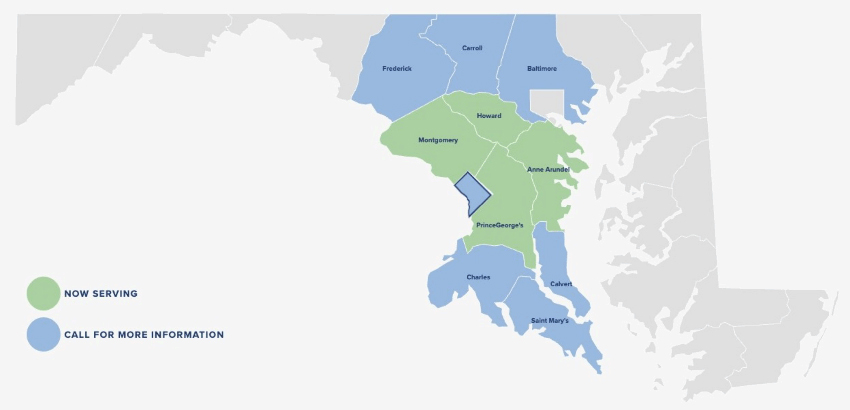
Advanced Nursing & Home Care provides personal care and skilled nursing support for individuals living with chronic conditions throughout Montgomery County, Maryland.

The areas we serve include Bethesda, Chevy Chase, Gaithersburg, Potomac, Rockville, Silver Spring, and surrounding communities.

Personal Care, Skilled Nursing, or Both?

Chronic condition care often does not fit neatly into one category. A person may be medically stable but need substantial help with daily life. Another may still manage personal care independently but require a nurse for a specific clinical task.

The mix can also change over time.

Is the main need daily assistance?

Help with meals, bathing, dressing, mobility, supervision, household routines, and medication reminders generally falls under personal care.

Does the care plan include a clinical task?

Medication administration, injections, wound care, nursing assessment, and other hands-on clinical services require an appropriately licensed nurse.

Are changes becoming more frequent?

Repeated flare-ups, urgent calls, emergency visits, or noticeable changes should first be discussed with the treating provider. They may also be a sign that the support plan at home needs to be reassessed.

Has the medication routine become too complicated?

Multiple prescriptions do not automatically mean that skilled nursing is required. But nursing involvement may be appropriate when the routine includes administration, injections, clinical monitoring, recurring errors, or concerns that need to be communicated to the prescriber.

Can the family maintain the current routine?

A plan may look manageable on paper but depend on one family member being available every morning, every evening, and every time something changes.

When that is no longer realistic, personal care or nursing support can fill specific gaps without taking the family out of the picture.

Could the level of care change?

Yes. Some families begin with personal care and add nursing during a more difficult period. Others need both at first and gradually reduce support as the routine becomes more stable.

The goal is not to provide more care than the person needs. It is to have enough flexibility to adjust the plan without asking the family to start over with a different provider each time something changes.

How Advanced Nursing & Home Care Coordinates Ongoing Support

Families living with chronic illness are often already coordinating several people: physicians, specialists, pharmacies, therapists, relatives, and other caregivers.

They should not also have to piece together separate home-care plans that do not communicate with one another.

Advanced Nursing & Home Care begins by looking at the whole situation:

  • Which conditions are being managed
  • What the physicians have instructed
  • Which tasks the person can still do independently
  • Where the daily routine is breaking down
  • Which responsibilities family members can realistically handle
  • Whether any needs require a licensed nurse
  • What changes the medical team has asked the family to report
  • When the person is alone
  • What would make life at home safer and more sustainable

From there, we can help build a coordinated plan using personal care, skilled nursing, or both.

That may mean a care provider who helps with meals, bathing, mobility, and routine medication reminders. It may mean a nurse who provides ordered clinical care and communicates concerns to the appropriate provider. In some situations, it means both working within one plan.

As needs change, the care plan can be reassessed. Support can be increased, reduced, or adjusted rather than remaining fixed simply because it was the right arrangement when care began.

Families can also receive regular updates, helping adult children and other authorized relatives understand what is happening without relying on a hurried phone call at the end of the day.

Personal Care, Skilled Nursing, or Both?

Chronic condition care often does not fit neatly into one category. A person may be medically stable but need substantial help with daily life. Another may still manage personal care independently but require a nurse for a specific clinical task.

The mix can also change over time.

Is the main need daily assistance?

Help with meals, bathing, dressing, mobility, supervision, household routines, and medication reminders generally falls under personal care.

Does the care plan include a clinical task?

Medication administration, injections, wound care, nursing assessment, and other hands-on clinical services require an appropriately licensed nurse.

Are changes becoming more frequent?

Repeated flare-ups, urgent calls, emergency visits, or noticeable changes should first be discussed with the treating provider. They may also be a sign that the support plan at home needs to be reassessed.

Has the medication routine become too complicated?

Multiple prescriptions do not automatically mean that skilled nursing is required. But nursing involvement may be appropriate when the routine includes administration, injections, clinical monitoring, recurring errors, or concerns that need to be communicated to the prescriber.

Can the family maintain the current routine?

A plan may look manageable on paper but depend on one family member being available every morning, every evening, and every time something changes.

When that is no longer realistic, personal care or nursing support can fill specific gaps without taking the family out of the picture.

Could the level of care change?

Yes. Some families begin with personal care and add nursing during a more difficult period. Others need both at first and gradually reduce support as the routine becomes more stable.

The goal is not to provide more care than the person needs. It is to have enough flexibility to adjust the plan without asking the family to start over with a different provider each time something changes.

How Advanced Nursing & Home Care Coordinates Ongoing Support

Families living with chronic illness are often already coordinating several people: physicians, specialists, pharmacies, therapists, relatives, and other caregivers.

They should not also have to piece together separate home-care plans that do not communicate with one another.

Advanced Nursing & Home Care begins by looking at the whole situation:

  • Which conditions are being managed
  • What the physicians have instructed
  • Which tasks the person can still do independently
  • Where the daily routine is breaking down
  • Which responsibilities family members can realistically handle
  • Whether any needs require a licensed nurse
  • What changes the medical team has asked the family to report
  • When the person is alone
  • What would make life at home safer and more sustainable

From there, we can help build a coordinated plan using personal care, skilled nursing, or both.

That may mean a care provider who helps with meals, bathing, mobility, and routine medication reminders. It may mean a nurse who provides ordered clinical care and communicates concerns to the appropriate provider. In some situations, it means both working within one plan.

As needs change, the care plan can be reassessed. Support can be increased, reduced, or adjusted rather than remaining fixed simply because it was the right arrangement when care began.

Families can also receive regular updates, helping adult children and other authorized relatives understand what is happening without relying on a hurried phone call at the end of the day.

What Families In Montgomery County Say.

The Right Care For Where Your Family Is Right Now.

Every family’s situation is different. Our services are designed to adapt as needs change.

Senior man using nebulizer at home

The Right Care For Where Your Family Is Right Now.

Every family’s situation is different. Our services are designed to adapt as needs change.

Specialized Care For Complex Conditions

You Don’t Have to Sort Through This Alone

When medications, symptoms, appointments, and daily care have become too much for one person to keep track of, you do not have to solve the entire situation on your own.

Tell us what has changed at home. We will help you understand which needs may be supported by a care provider, which may require a licensed nurse, and what a realistic care plan could look like.

The earlier a support plan is put in place, the easier it often becomes to prevent small challenges from becoming larger ones.

Adult son with senior father looking at photo
Caregiver and senior woman looking out window
Caregiver hugging senior woman in wheelchair outdoors

You Don’t Have to Sort Through This Alone

When medications, symptoms, appointments, and daily care have become too much for one person to keep track of, you do not have to solve the entire situation on your own.

Tell us what has changed at home. We will help you understand which needs may be supported by a care provider, which may require a licensed nurse, and what a realistic care plan could look like.

The earlier a support plan is put in place, the easier it often becomes to prevent small challenges from becoming larger ones.

Adult son with senior father looking at photo
Caregiver and senior woman looking out window
Caregiver hugging senior woman in wheelchair outdoors

Frequently Asked Questions

Chronic condition care at home supports someone managing an ongoing health condition while continuing to live at home. It can include personal care, such as meals, bathing, mobility, and medication reminders, and skilled nursing, such as medication administration, injections, and clinical monitoring. The right plan depends on the diagnosis, physician instructions, and daily needs.

No. Medication administration, insulin, and injections require a licensed nurse. A personal care provider can give medication reminders within their permitted role, and our skilled nursing team handles insulin administration, injectable medications, and other ordered nursing tasks. Decisions about doses and glucose targets stay with the prescribing provider.

Yes. Many older adults live with more than one chronic condition. When several are involved, the care plan accounts for the full medication routine, physician instructions, mobility, nutrition, personal care, and any clinical tasks together, rather than treating each diagnosis as though it exists separately.

They report it. Care providers observe and report changes the care plan identifies, such as new shortness of breath, swelling, dizziness, or a fall. A licensed nurse can assess and pass clinical findings to the physician, who decides what happens next. In an emergency, call 911.

Home care helps by pacing the day so people don’t use up energy on bathing, dressing, and meals. Care providers also help keep inhaler and medication routines on track, follow physician-directed routines for fluids, activity, or weight tracking, and report the changes the doctor has asked the family to watch. Skilled nursing can be added for clinical monitoring.

Ready for Chronic Condition Care at Home in Montgomery County, MD

Content Reviewed by Linda Lennon, BSN, RN, Director of Nursing at Advanced Nursing and Home Care