Dementia & Alzheimer’s Disease Care at Home in Montgomery County, MD

There’s a moment a lot of families remember clearly — the first time a parent repeated a question they’d just asked, or couldn’t find their way home from a familiar street. It’s rarely one big event. More often it’s a string of small ones, each easy to explain away on its own, until they add up to something you can’t ignore anymore.

If you’re here because you’re starting to notice those moments, you’re not overreacting, and you’re not alone. Dementia and Alzheimer’s disease can change daily life slowly at first, then all at once. This guide can help you understand what those changes may mean, what safe support at home can look like, and when it may be time to talk through next steps with someone who understands care.

This page is not a substitute for medical diagnosis or treatment. If you are noticing memory, behavior, or safety changes, a physician can help evaluate what may be causing them.
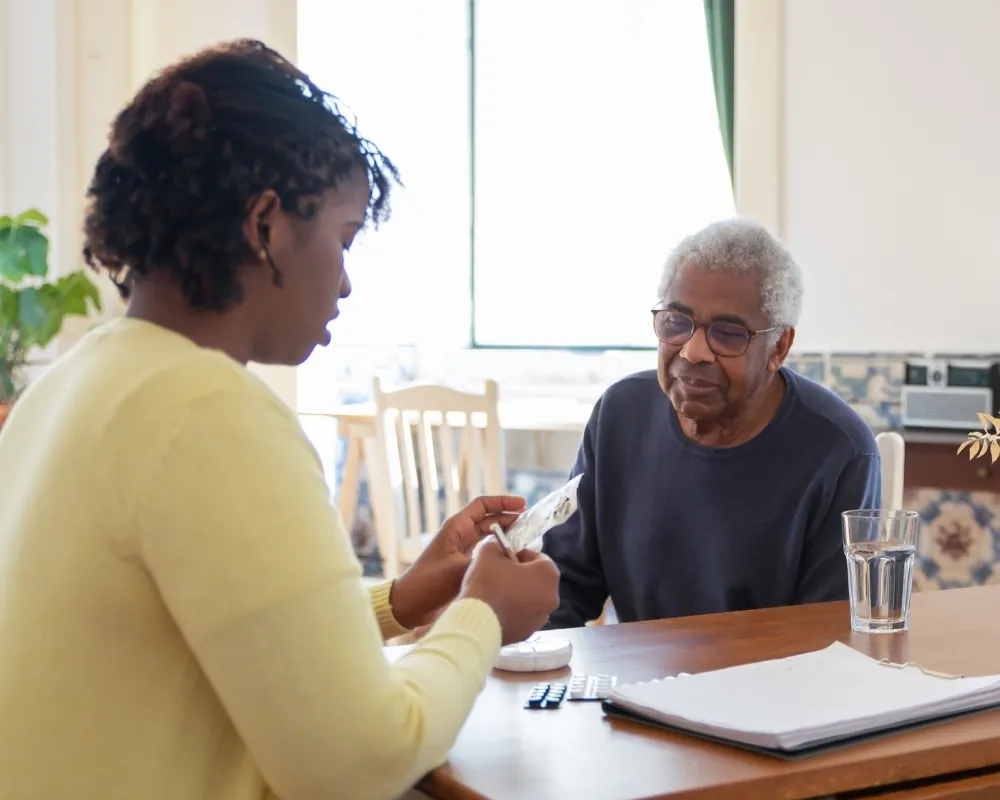
Caregiver giving senior man a medication reminder
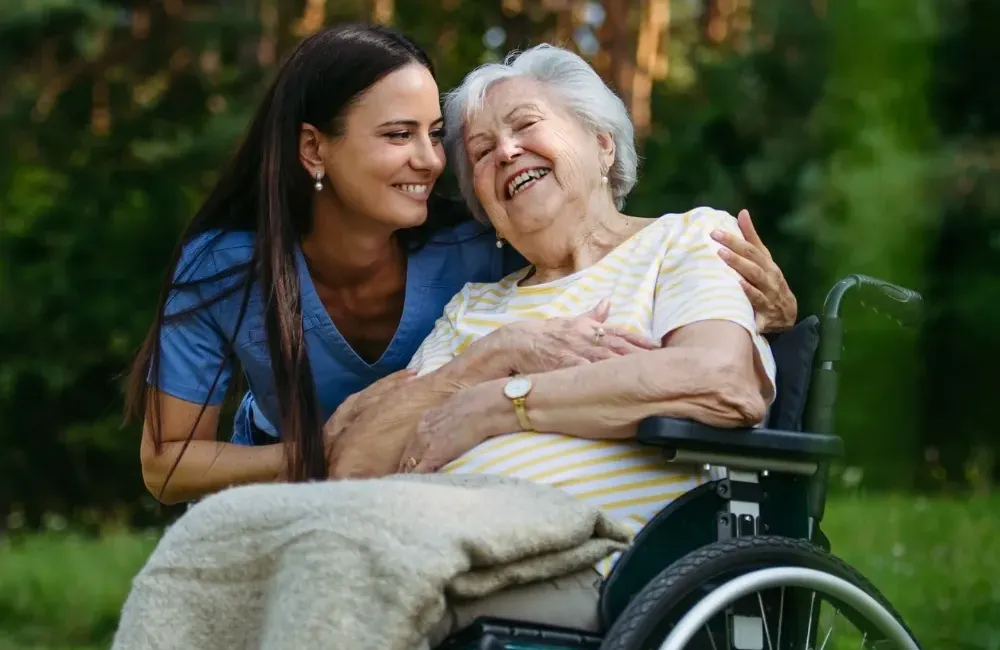
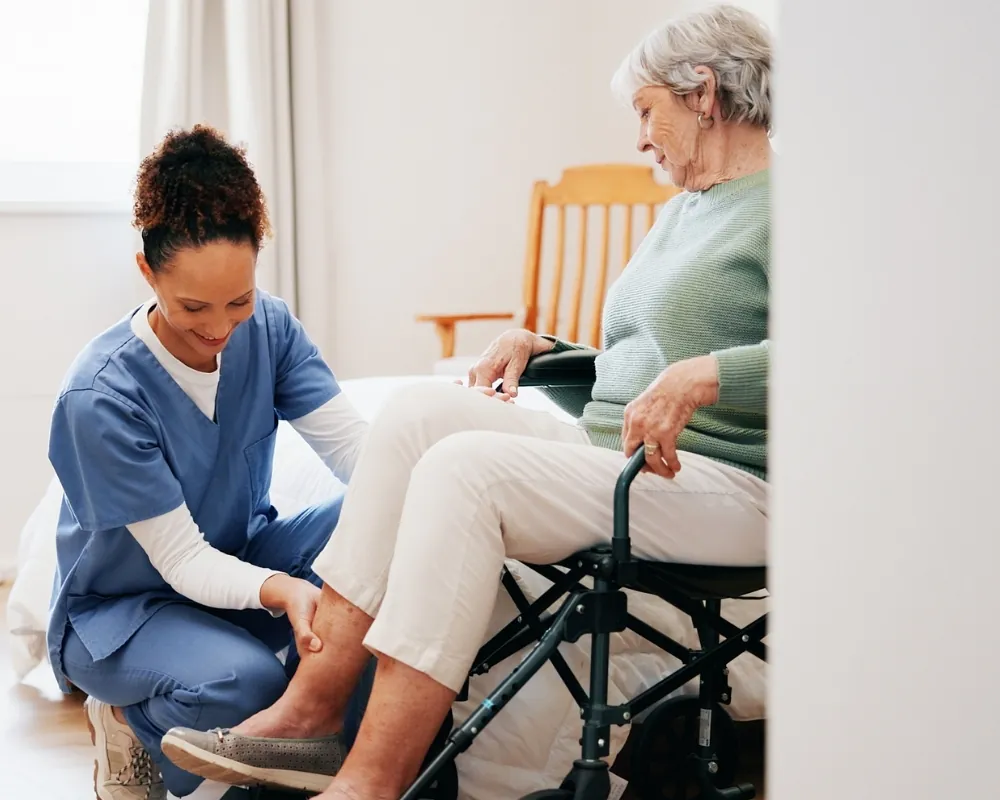
Caregiver helping senior woman in wheelchair
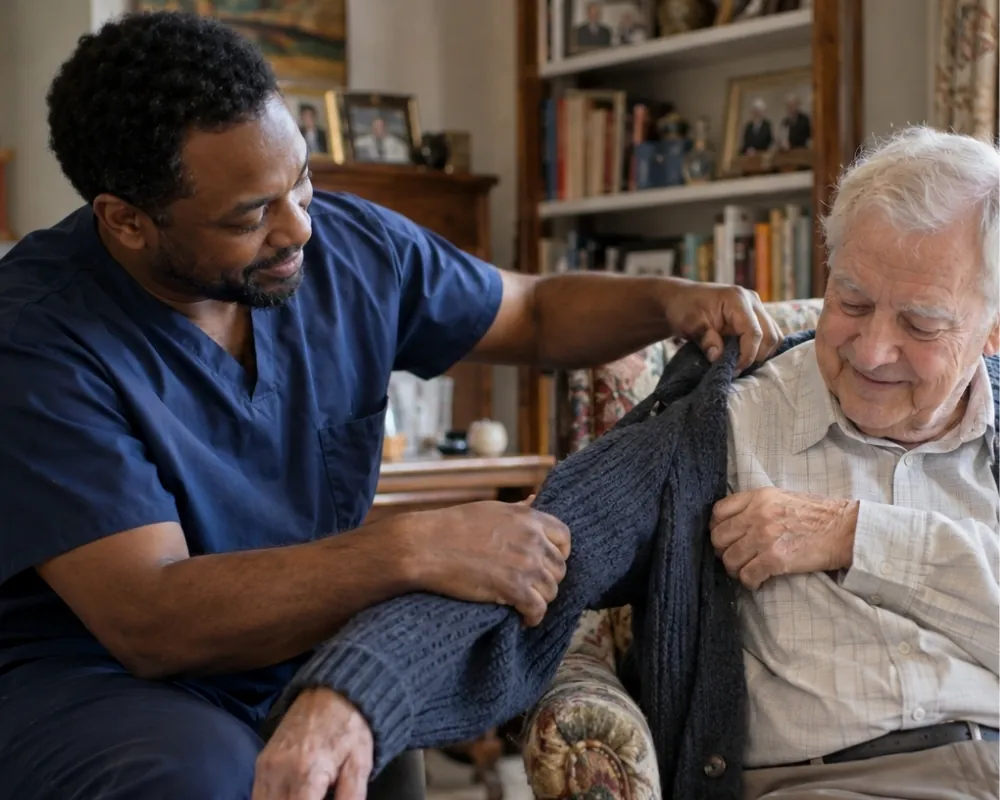
Male caregiver and senior man on porch
Caregiver giving senior man a medication reminder
Caregiver helping senior woman in wheelchair
Male caregiver and senior man on porch

Dementia & Alzheimer’s Disease Care at Home in Montgomery County, MD

There’s a moment a lot of families remember clearly — the first time a parent repeated a question they’d just asked, or couldn’t find their way home from a familiar street. It’s rarely one big event. More often it’s a string of small ones, each easy to explain away on its own, until they add up to something you can’t ignore anymore.

If you’re here because you’re starting to notice those moments, you’re not overreacting, and you’re not alone. Dementia and Alzheimer’s disease can change daily life slowly at first, then all at once. This guide can help you understand what those changes may mean, what safe support at home can look like, and when it may be time to talk through next steps with someone who understands care.

This page is not a substitute for medical diagnosis or treatment. If you are noticing memory, behavior, or safety changes, a physician can help evaluate what may be causing them.

Is It Normal Aging, or Something More?
When Families Usually Call Us

Occasional forgetfulness is a normal part of aging. Alzheimer’s and other forms of dementia are different — they’re progressive conditions that affect memory, thinking, and behavior in ways that worsen over time and interfere with daily life.

A few signs that tend to point toward something more than normal aging:

  • Repeating questions or stories within the same conversation
  • Getting lost in familiar places, or trouble following a familiar route
  • Difficulty managing medications, bills, or routines that used to be automatic
  • Withdrawing from conversations, hobbies, or social situations
  • Mood or personality changes that feel out of character

None of these on its own means it’s time to panic, but it may be worth a conversation with a doctor. If these changes are becoming more frequent, it may be time to think through what kind of support could help at home.

An estimated 7.4 million Americans age 65 and older are living with Alzheimer’s dementia — about 1 in 9 people in that age group — according to the Alzheimer’s Association, 2026 Facts and Figures Report. That risk climbs sharply with age: roughly 5% of people 65–74 have Alzheimer’s, compared to nearly 14% of those 75–84, and over 35% of those 85 and older.

How Dementia & Alzheimer’s Needs Can Change Over Time

Alzheimer’s disease is generally described in three broad stages — mild, moderate, and severe — though the pace of progression and the experience of each stage can differ significantly from one person to another.

Early stage. Memory lapses are noticeable, but a person can often still live independently — driving, working, managing a household. Support at this stage tends to be light: reminders, routine-building, and companionship, more than hands-on help.

Middle stage. Usually the longest stage, and often the one where families first bring in outside help. Confusion becomes more frequent, wandering becomes a real safety concern, and daily tasks — dressing, bathing, meal prep — need more direct assistance. This is where in-home dementia care most often begins.

Late stage. Communication becomes very limited, and full-time physical care is typically needed, sometimes alongside clinical support for related health needs. Families at this stage often combine memory care with skilled nursing care if medical needs — swallowing difficulties, mobility loss, wound care — become part of the picture.

Every person moves through these stages differently, which is part of why a generic care plan rarely fits. An in-home assessment — looking at your specific loved one’s routines, safety risks, and personality — matters more than which “stage” they technically fall into.

When those moments start adding up, the question often becomes less “Is this normal?” and more “What would help keep them safe at home?”

Home care nurse laughing with senior man
Happy senior woman with pet dog at home

When It May Be Time to Consider Dementia Care at Home

It may be time to consider in-home dementia care when memory changes begin affecting safety, hygiene, meals, medication routines, sleep, or the family’s ability to keep up. Many families call after wandering, a fall, missed medications, increasing confusion, or caregiver exhaustion makes it clear that occasional check-ins are no longer enough.

You do not need a perfect diagnosis or a clear “stage” before asking questions. If something has changed and you are worried about safety at home, that is enough reason to talk it through.

How Dementia & Alzheimer’s Needs Can Change Over Time

Alzheimer’s disease is generally described in three broad stages — mild, moderate, and severe — though the pace of progression and the experience of each stage can differ significantly from one person to another.

Early stage. Memory lapses are noticeable, but a person can often still live independently — driving, working, managing a household. Support at this stage tends to be light: reminders, routine-building, and companionship, more than hands-on help.

Middle stage. Usually the longest stage, and often the one where families first bring in outside help. Confusion becomes more frequent, wandering becomes a real safety concern, and daily tasks — dressing, bathing, meal prep — need more direct assistance. This is where in-home dementia care most often begins.

Late stage. Communication becomes very limited, and full-time physical care is typically needed, sometimes alongside clinical support for related health needs. Families at this stage often combine memory care with skilled nursing care if medical needs — swallowing difficulties, mobility loss, wound care — become part of the picture.

Every person moves through these stages differently, which is part of why a generic care plan rarely fits. An in-home assessment — looking at your specific loved one’s routines, safety risks, and personality — matters more than which “stage” they technically fall into.

When those moments start adding up, the question often becomes less “Is this normal?” and more “What would help keep them safe at home?”

Home care nurse laughing with senior man
Happy senior woman with pet dog at home

When It May Be Time to Consider Dementia Care at Home

It may be time to consider in-home dementia care when memory changes begin affecting safety, hygiene, meals, medication routines, sleep, or the family’s ability to keep up. Many families call after wandering, a fall, missed medications, increasing confusion, or caregiver exhaustion makes it clear that occasional check-ins are no longer enough.

You do not need a perfect diagnosis or a clear “stage” before asking questions. If something has changed and you are worried about safety at home, that is enough reason to talk it through.

If this sounds like where your loved one is right now, we’re happy to talk it through — no pressure, just a conversation about what stage-appropriate support could look like.

What Safe In-Home Memory Care Can Include

Safe in-home memory care is built around structure, supervision, and familiarity. The goal is to reduce avoidable risks, support daily routines, and help your loved one feel more settled at home as memory-related needs change.

In practice, safe in-home memory care usually includes:

  • Wandering and elopement prevention — door alarms, secure home setups, clear routines, and close supervision to reduce the risk of someone leaving the home unsafely.
  • Structured routine — same schedule, same faces, same environment, since predictability itself reduces anxiety
  • Medication reminders and awareness — support with routines so medications are not easily missed or doubled, with licensed nursing support added if clinical medication management is needed.
  • Nighttime support and sundowning concerns — help when evening confusion, restlessness, wandering, or fall risk become more concerning later in the day or overnight, with overnight in-home care added when needed. (LINK → Overnight Care pillar )
  • Communication techniques — care providers use approaches (redirection, calm reassurance, avoiding correction/arguing) that reduce distress during confusion or agitation
  • Personal care support — bathing, dressing, and hygiene, handled by care providers trained to work through the resistance these tasks can bring
  • Family communication — regular updates from people who are paying attention, so you are not left wondering how the day went, what changed, or whether something needs to be adjusted.

Home Care VS. a Memory Care Facility — How to Think About the Choice

Many families assume that once dementia progresses, home may no longer be an option. For some families, a memory care facility is the right choice. For others, in-home memory care with the right supervision can help reduce confusion, support familiar routines, and make daily life feel more manageable.

This is usually the hardest part, and there’s no universally “right” answer — but a few honest questions help:

  • Is the environment itself the risk, or is it a lack of supervision? A familiar home with the right supervision can sometimes be safer and less disorienting than a sudden move to an unfamiliar setting.
  • Would a change in environment cause more confusion than it solves? Relocation itself is disorienting for someone with dementia — sometimes more disruptive than the challenges it’s meant to fix.
  • What does your loved one want? Most people, given the choice, want to stay home. That preference matters and is worth weighing seriously, not dismissing as unrealistic.
  • What happens as needs increase? In-home care can scale — more hours, added skilled nursing, overnight support (LINK → Overnight Home Care | “overnight care”) — without requiring a disruptive move. That flexibility is one of the biggest practical advantages of aging in place.

Facility care makes sense for some families, particularly when 24/7 clinical supervision is medically necessary. But “we need more help” and “we need a facility” are two different conclusions, and it’s worth being clear on which one you’re actually facing before you decide.

What Safe In-Home Memory Care Can Include

Safe in-home memory care is built around structure, supervision, and familiarity. The goal is to reduce avoidable risks, support daily routines, and help your loved one feel more settled at home as memory-related needs change.

In practice, safe in-home memory care usually includes:

  • Wandering and elopement prevention — door alarms, secure home setups, clear routines, and close supervision to reduce the risk of someone leaving the home unsafely.
  • Structured routine — same schedule, same faces, same environment, since predictability itself reduces anxiety
  • Medication reminders and awareness — support with routines so medications are not easily missed or doubled, with licensed nursing support added if clinical medication management is needed.
  • Nighttime support and sundowning concerns — help when evening confusion, restlessness, wandering, or fall risk become more concerning later in the day or overnight, with overnight in-home care added when needed. (LINK → Overnight Care pillar )
  • Communication techniques — care providers use approaches (redirection, calm reassurance, avoiding correction/arguing) that reduce distress during confusion or agitation
  • Personal care support — bathing, dressing, and hygiene, handled by care providers trained to work through the resistance these tasks can bring
  • Family communication — regular updates from people who are paying attention, so you are not left wondering how the day went, what changed, or whether something needs to be adjusted.

Home Care VS. a Memory Care Facility — How to Think About the Choice

Many families assume that once dementia progresses, home may no longer be an option. For some families, a memory care facility is the right choice. For others, in-home memory care with the right supervision can help reduce confusion, support familiar routines, and make daily life feel more manageable.

This is usually the hardest part, and there’s no universally “right” answer — but a few honest questions help:

  • Is the environment itself the risk, or is it a lack of supervision? A familiar home with the right supervision can sometimes be safer and less disorienting than a sudden move to an unfamiliar setting.
  • Would a change in environment cause more confusion than it solves? Relocation itself is disorienting for someone with dementia — sometimes more disruptive than the challenges it’s meant to fix.
  • What does your loved one want? Most people, given the choice, want to stay home. That preference matters and is worth weighing seriously, not dismissing as unrealistic.
  • What happens as needs increase? In-home care can scale — more hours, added skilled nursing, overnight support (LINK → Overnight Home Care | “overnight care”) — without requiring a disruptive move. That flexibility is one of the biggest practical advantages of aging in place.

Facility care makes sense for some families, particularly when 24/7 clinical supervision is medically necessary. But “we need more help” and “we need a facility” are two different conclusions, and it’s worth being clear on which one you’re actually facing before you decide.

Why This Care Is Personal to Us

Advanced Nursing & Home Care was founded by a son helping care for his grandmother through Alzheimer’s disease. More than 30 years later, the team he built helped care for his own parents.

That experience still shapes how we support families today. We understand how difficult it can be to know what is changing, what kind of help is needed, and where to turn next. In addition to the care we provide, we encourage families to use trusted resources such as the National Institute on Aging for guidance on Alzheimer’s disease and its progression, and Montgomery County Aging and Disability Services for local caregiver support and community resources.

Samuel R. Lish Founder / CEO

Why This Care Is Personal to Us

Advanced Nursing & Home Care was founded by a son helping care for his grandmother through Alzheimer’s disease. More than 30 years later, the team he built helped care for his own parents.

That experience still shapes how we support families today. We understand how difficult it can be to know what is changing, what kind of help is needed, and where to turn next. In addition to the care we provide, we encourage families to use trusted resources such as the National Institute on Aging for guidance on Alzheimer’s disease and its progression, and Montgomery County Aging and Disability Services for local caregiver support and community resources.

Samuel R. Lish Founder / CEO

Dementia & Alzheimer’s Care Close to Home, Throughout Montgomery County

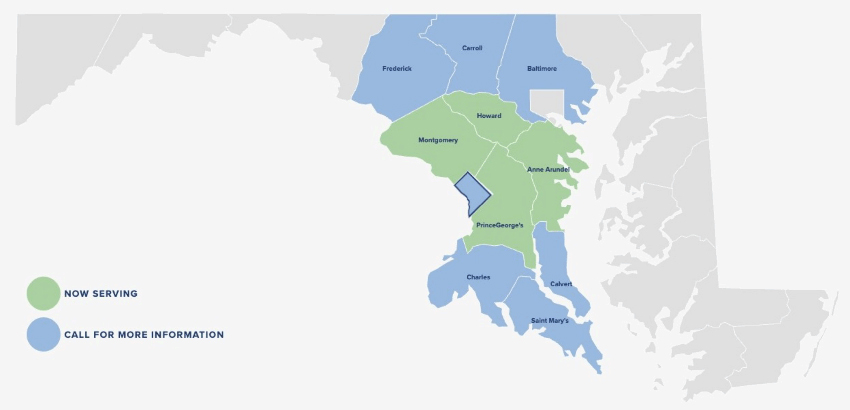
If you’re looking for dementia or Alzheimer’s care in Bethesda, Chevy Chase, Gaithersburg, Potomac, Rockville, Silver Spring, or another Montgomery County community, our care team can help you understand what support may be available at home.

The earlier families begin planning, the more options they typically have to help their loved one remain safe and comfortable at home.

You Don’t Have to Sort Through This Alone

If some of this sounds familiar and you’re not sure what level of support makes sense, that’s exactly the kind of question worth a phone call rather than a guess. We’ll ask about your loved one’s specific situation — what’s changed, what’s worked, what hasn’t — and help you understand what a realistic care plan looks like.

Caregiver arm around senior woman outside
Caregiver helping senior man get dressed

Caregiver arm around senior woman outside
Caregiver helping senior man get dressed

You Don’t Have to Sort Through This Alone

If some of this sounds familiar and you’re not sure what level of support makes sense, that’s exactly the kind of question worth a phone call rather than a guess. We’ll ask about your loved one’s specific situation — what’s changed, what’s worked, what hasn’t — and help you understand what a realistic care plan looks like.

What Families In Montgomery County Say.

What Families In Montgomery County Say.

The Right Care For Where Your Family Is Right Now.

Every family’s situation is different. Our services are designed to adapt as needs change.

Caregiver hugging senior woman in wheelchair outdoors

The Right Care For Where Your Family Is Right Now.

Every family’s situation is different. Our services are designed to adapt as needs change.

Specialized Care For Complex Conditions

Frequently Asked Questions

Dementia is a general term for a decline in memory and thinking severe enough to interfere with daily life. Alzheimer’s disease is the most common cause of dementia, but other conditions, such as vascular dementia and Lewy body dementia, can cause similar symptoms. Day-to-day care needs often look similar regardless of the cause.

Occasional forgetfulness is a normal part of aging. Dementia is progressive and starts to interfere with daily life. Signs that may point to something more include repeating questions in the same conversation, getting lost in familiar places, trouble managing medications or bills, and mood changes that feel out of character. A physician can help evaluate what’s causing them.

Full-time care is most often needed in the late stage of Alzheimer’s, when communication becomes very limited and physical care is needed throughout the day. Many families first bring in help during the middle stage, when wandering and daily tasks become safety concerns. Every person progresses differently, so an in-home assessment matters more than the stage.

There’s no single script, but two things tend to help. First, frame help as support for a specific task rather than “you need a caregiver.” Second, introduce a care provider gradually instead of presenting it as a sudden, permanent change. We can talk through an approach that suits your loved one’s personality when you call.

It depends on whether the risk is the home itself or a lack of supervision. For many families, in-home memory care with the right supervision keeps familiar routines in place and avoids the disorientation a move can cause. Facility care can make sense when 24/7 clinical supervision is medically necessary. “We need more help” and “we need a facility” are different conclusions.

in-home memory care >

Ready for Dementia & Alzheimer’s Care in Montgomery County, MD

Content Reviewed by Linda Lennon, BSN, RN, Director of Nursing at Advanced Nursing and Home Care